Bath Road Bedford Park Carpet Cleaning Guide for Period Homes
If you live on or near Bath Road in Bedford Park, you already know the charm of a period home can come with a few carpet-related headaches. Thick wool pile, older underlay, delicate stair runners, draughty rooms, and the odd mystery stain from years ago all ask for a careful, considered approach. This Bath Road Bedford Park carpet cleaning guide for period homes is designed to help you protect character, lift dirt properly, and avoid the kind of mistakes that can flatten fibres or cause shrinkage. Whether you are looking after a family house, a rental, or a long-loved home with original features, the right method matters more than the fastest one.
In this guide, you will find practical steps, method comparisons, and a few hard-won tips that make a real difference. No fluff. Just the sort of advice you wish someone had given you before the first spill.
Why Bath Road Bedford Park Carpet Cleaning Guide for Period Homes Matters
Period homes in Bedford Park often have carpets that do more than just cover a floor. They soften echo in high-ceilinged rooms, protect older boards, and help preserve the feel of the property. But that also means they can be more vulnerable than a modern synthetic carpet in a newer house. Wool fibres can be sensitive to excessive heat, too much moisture, or harsh chemistry. Underlay may be aged. Edges may be lifted by historic skirting or uneven subfloors. A heavy-handed clean can leave the room looking worse, not better.
The local setting matters too. Homes along Bath Road tend to mix original features with regular family life: hallway traffic, pets, pushed-in prams, muddy shoes after wet weather, the usual. So the aim is not just to clean. It is to clean carefully. You want freshness without losing texture, colour, or shape. Truth be told, that balance is where most mistakes happen.
There is also a practical side. A well-chosen cleaning method can help reduce trapped grit that wears carpet fibres down over time. In period homes, that grit often settles deep because the rooms are lived in, not showroom-perfect. And let's face it, nobody wants the hallway to look lovely for three days and then go flat again by the weekend.
If you are choosing help rather than doing it yourself, it is sensible to look for a provider with strong transparency around who they are and how they work, plus clear information on insurance and safety. That does not clean the carpet for you, obviously, but it does help you decide who you are letting into a period property with care.
How Bath Road Bedford Park Carpet Cleaning Guide for Period Homes Works
The basic process sounds simple: inspect, choose a method, treat stains, clean the fibres, and dry the carpet properly. In period homes, though, each step becomes a little more considered. Before any water touches the carpet, a proper inspection should check fibre type, backing, wear, staining, and any signs of shrinkage risk. A good cleaner will also look for delicate borders, seamed joins, and areas that have already been repaired or re-stretched.
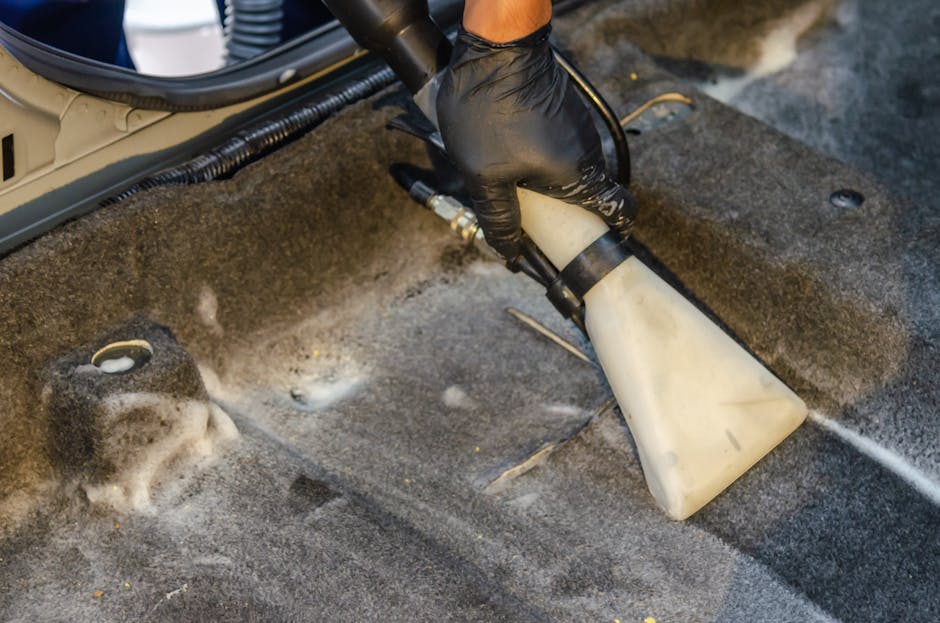
Most professional carpet cleaning in older homes follows one of a few routes. Hot water extraction, often called steam carpet cleaning in everyday conversation, uses heated water and a controlled vacuum process to flush dirt from the pile. Low-moisture cleaning uses less water and can be useful where drying time or fibre sensitivity is a concern. Some wool rugs and fine carpets need specialist spot treatment and gentle agitation rather than a soak-and-extract approach. That is not indecision. It is judgement.
For more conventional interiors or mixed-use spaces, a broader carpet cleaning service may be suitable. Where smell or localised contamination is the main issue, targeted pet stain and odour removal or other stain removal work may be better before the full clean begins.
Drying matters just as much as cleaning. In a period home, thick carpet over older boards can hold moisture longer than expected, especially in a cooler front room or shaded hallway. You want airflow, sensible extraction, and a plan for ventilation. If a cleaner barrels through the job and leaves the room damp for ages, that is not efficiency. That is a headache waiting to happen.
Key Benefits and Practical Advantages
A careful carpet clean in a period home brings more than a tidy look. It changes how the room feels. The air can seem fresher, the pile springs back a little, and colours often regain their depth once dull surface soil is removed. On a practical level, you may also slow visible wear, especially in corridors, landings, and reception rooms where foot traffic is concentrated.
- Improved appearance: years of embedded dust and everyday soil are lifted from the pile.
- Better fabric care: gentle methods reduce the risk of colour fade, fibre distortion, or shrinkage.
- More comfortable rooms: carpets feel softer underfoot and less tired-looking.
- Stain management: early treatment helps stop marks from settling permanently.
- Longer service life: routine care can delay the need for replacement.
There is another benefit that gets overlooked: confidence. When your carpet is clean, you stop hovering over it. You stop worrying about the hallway rug every time someone walks in with wet shoes. That alone is worth something, to be fair.
If the home contains more than carpets, a joined-up approach can also help. A hallway clean may go hand in hand with rug cleaning, while sitting rooms might benefit from upholstery cleaning or curtain cleaning so the whole room feels balanced rather than half refreshed.
Who This Is For and When It Makes Sense
This guide is for anyone living in a period property on Bath Road or nearby streets in Bedford Park who wants their carpets handled with more care than a basic one-size-fits-all clean. That includes homeowners, landlords, tenants, and people preparing a property for sale or rental inspection. If your carpet has age, texture, or sentimental value, you are in the right place.
It makes sense to book a professional clean when you notice:
- traffic lanes in hallways or on stairs
- spill marks that have dulled or darkened over time
- odours that linger even after regular vacuuming
- wool pile looking crushed or matted
- a room that feels dusty despite tidy surfaces
- you are moving in, moving out, or preparing for guests
It also makes sense after renovation dust, especially if doors and windows were open for weeks and fine debris found its way everywhere. You can vacuum it, yes, but fine dust has a habit of hanging on in old carpet fibres like it pays rent.
For commercial or mixed-use properties, or if you are managing a small office within a period building, the requirements can shift a bit. In those cases, the cleaner should be able to adapt their method and schedule. If that is relevant, it may be worth exploring commercial carpet cleaning as a separate route.
Step-by-Step Guidance
A good result usually starts before the cleaner arrives. Here is a sensible approach for period homes.
- Vacuum thoroughly. Do this slowly in both directions. In older carpets, one quick pass rarely lifts enough grit.
- Identify fibre type. Wool, wool blends, and synthetics behave differently. If you are unsure, ask rather than guessing.
- Check for delicate areas. Look at edges, seams, faded patches, and any repairs that may react badly to moisture.
- Spot-test where needed. Especially if the carpet has unknown stains or previously used spot products.
- Choose the method. Hot water extraction, low-moisture cleaning, or targeted treatment should match the carpet and the room.
- Treat stains first. Heavy marks usually need pre-treatment before the main clean.
- Clean in sections. This helps control moisture and lets the operator monitor results closely.
- Extract properly. Leaving residue behind can attract dirt faster, which is annoying and common.
- Speed up drying. Open windows where sensible, use airflow, and avoid walking on the carpet too soon.
- Inspect after drying. Check for remaining marks, wicking, or any fibre changes once the pile has settled.
If you are booking a specialist, ask how they handle stain-specific issues and moisture control. Those are the questions that reveal whether someone knows period homes or just talks a good game. A careful cleaner will be happy to explain their approach and, where relevant, point you to their pricing and quotes information so you know what to expect before work starts.
Expert Tips for Better Results
Here is the short version: go gently, dry properly, and do not chase every mark with something stronger just because it smells a bit scientific. More product is not better product.
A few practical tips make a real difference in period homes:
- Use less water than you think. Older fibres and underlay often respond better to controlled moisture.
- Blot, do not scrub. Scrubbing can rough up fibres and spread the stain.
- Work from the outside in. This helps avoid making a spill larger.
- Ventilate the room. Open windows when weather allows and keep the air moving.
- Test before treating. Hidden colour loss is a miserable surprise.
- Protect thresholds and edges. These are often the first areas to show wear.
If you have pets, tackle odour and staining sooner rather than later. Carpets in older homes can hold scent in ways you would rather not discover on a warm day. The answer may be a broader treatment plan rather than a quick surface spray. If it is not too much, that is where professional pet stain odour removal can be especially useful.
A small human aside: the cleanest-looking carpet is not always the cleanest carpet. Sometimes the dirtiest fibres are the ones that only look "a bit flat". Sneaky things, carpets.
Common Mistakes to Avoid
Most carpet damage in period homes does not come from dramatic disasters. It comes from well-meant but careless choices.
- Using too much water: this can lead to slow drying, rippling, or wicking stains.
- Applying household cleaners blindly: some products leave residue or affect dyes.
- Overworking one patch: repeated rubbing can distort pile or make a mark permanent-looking.
- Ignoring underlay or backing issues: older constructions need gentler handling.
- Failing to dry properly: that can invite odours or reappearing marks.
- Booking purely on price: a bargain clean can become expensive if the carpet is damaged.
One of the most common issues we hear about is a carpet looking better while wet, then showing the same mark a day later. That is often wicking: soil or stain travelling back up as the carpet dries. It is frustrating, but it can usually be reduced by proper extraction, careful drying, and sensible pre-treatment.
Another mistake is forgetting the rest of the room. If the carpet is clean but the sofa, curtains, or mattress are carrying dust and odours, the space still feels tired. A cleaner room is often a bigger-picture job than people expect.
Tools, Resources and Recommendations
You do not need a van full of kit to look after a period carpet, but you do need the right basics. The useful tools are usually the boring ones, which is probably why they get overlooked.
| Tool or Resource | Why it helps | Best use in period homes |
|---|---|---|
| Quality vacuum with adjustable height | Removes dry soil before it becomes embedded | Hallways, stairs, and high-traffic rooms |
| Microfibre cloths | Good for blotting spills without roughing fibres | Fresh stains and accidental drips |
| Carpet-safe spot treatment | Helps target small marks without over-wetting | Spot stains on wool or blended carpets |
| Airflow and ventilation | Speeds drying and reduces dampness | Front rooms, landings, and enclosed spaces |
| Professional inspection | Reduces risk of choosing the wrong method | Delicate wool, antique runners, or unknown fibres |
For homeowners who want a broader refresh, it can be sensible to combine services rather than tackle each fabric separately at random. A sitting room may benefit from sofa cleaning and carpet care together, while bedrooms may need mattress cleaning if dust or allergies are a concern.
If sustainability matters to you, look for a provider that explains how they manage waste water, product use, and recycling. You can also check their approach to recycling and sustainability. It is a small detail, but in a conservation-minded area, it tends to matter.
Law, Compliance, Standards, or Best Practice
For domestic carpet cleaning, the main concern is not a complicated legal rulebook. It is good practice, safety, and care. Any cleaner entering a home should behave responsibly, use suitable products, and understand how to reduce slip risks, moisture problems, and accidental damage. In a period property, that standard matters even more because the building materials may be older and less forgiving.
From a buyer's perspective, sensible checks include whether the business is insured, how it handles safety, and whether its terms are clear. That is not being fussy. That is sensible adult behaviour. You can look at health and safety information, insurance and safety details, and the terms and conditions before booking.
If you are sharing a building, renting out a flat, or arranging work for a managed property, you may also want to confirm how complaints are handled and how payment is protected. Those points are not glamorous, but they are part of a trustworthy service. A clear payment and security policy and an accessible complaints procedure are good signs that the company takes accountability seriously.
For anyone wanting to understand the business behind the service, the cleaner's about us page can also be useful. It should tell you more about their approach, rather than just polishing the wording until it gleams.
Options, Methods, or Comparison Table
Different carpet-cleaning methods suit different period-home situations. Here is a simple comparison to help you decide what usually makes sense.
| Method | Best for | Pros | Watch-outs |
|---|---|---|---|
| Hot water extraction / steam cleaning | General deep cleaning, heavy soil, family homes | Strong soil removal, good overall refresh | Needs careful drying; not ideal for every delicate carpet |
| Low-moisture cleaning | Softer drying requirements, lighter soil, sensitive settings | Less water, quicker return to use | May be less powerful on deep ingrained dirt |
| Targeted stain treatment | Specific spills, pet marks, isolated stains | Focused, economical, avoids whole-room wetting | Not a full clean on its own |
| Rug-specific cleaning | Loose rugs, runners, antique or decorative pieces | More tailored handling | Needs careful identification of materials |
There is no single "best" method for every Bath Road period home. A wool stair carpet in a draughty hallway may need a different treatment from a synthetic bedroom carpet or a handwoven rug. That is why a careful pre-inspection is worth its weight in tea and patience.
Case Study or Real-World Example
Take a typical Bedford Park family house with a carpeted hallway, a front reception room, and a stair runner that has seen years of use. The hallway looks grey at the edges, the stair treads feel a bit matted, and there is a faint smell near the front door after rainy weather. Nothing dramatic. Just lived-in.
The sensible approach would be:
- vacuum thoroughly to remove grit from the pile and stair edges
- identify the fibres and any fragile joins on the runner
- pre-treat the hallway traffic lane and the stain near the door
- use a controlled, low-moisture or carefully managed extraction method
- dry with good airflow so the stairs can be used again safely
- spot-check once dry for any hidden wicking or colour change
The result is usually not just cleaner carpet. The whole entrance feels lighter. The room seems to breathe again. You notice the boards less, the carpet more, and the house gets that small but satisfying sense of being cared for. Simple, really, but not easy to achieve by rushing.
Practical Checklist
Before you book or begin, run through this quick checklist.
- Have I identified the carpet fibre as best I can?
- Are there delicate borders, seams, or worn patches that need caution?
- Have I vacuumed properly before any wet cleaning?
- Do I know which stains are fresh and which are old?
- Is there enough ventilation for drying?
- Do I need help with rugs, upholstery, or curtains too?
- Have I checked the cleaner's safety, insurance, and terms?
- Do I understand the likely drying time and aftercare?
If you can tick most of those off, you are already ahead of the game.
For a more complete home refresh, the right service mix might also include steam carpet cleaning where suitable, plus linked fabric care in the same visit. That saves hassle, and frankly, fewer visits are easier on everyone.
Conclusion
Period homes deserve carpet care that respects their age, materials, and personality. On Bath Road in Bedford Park, that means choosing methods carefully, drying thoughtfully, and avoiding aggressive shortcuts. The best results usually come from a calm, well-planned approach rather than a quick blast of product and hope.
Whether you are looking after a long family home, preparing a property for sale, or simply trying to bring a tired hallway back to life, the basics stay the same: inspect first, clean gently, and protect the fibres for the long term. That is the real value of a good Bath Road Bedford Park carpet cleaning guide for period homes - it helps you keep the character, not just the surface.
Get a free quote today and see how much you can save.
And if you want a service experience that feels straightforward from start to finish, it is worth making sure the company is clear about its process, its safety standards, and how it treats your home. Small details. Big difference.
Frequently Asked Questions
How often should period home carpets in Bedford Park be cleaned?
For many homes, a deep clean every 12 to 18 months is a practical starting point, but high-traffic hallways or homes with pets may need attention sooner. The right interval depends on use, fibre type, and how well you vacuum between cleans.
Is steam cleaning safe for older carpets and stair runners?
Sometimes yes, sometimes no. It depends on the fibre, backing, construction, and condition of the carpet. In a period home, steam or hot water extraction should be used carefully, with controlled moisture and proper drying. A quick inspection matters.
What is the best way to clean wool carpets in a period house?
Wool usually responds well to gentle, carefully controlled cleaning rather than heavy soaking. Low-moisture methods or professional hot water extraction with conservative water use are often preferred. The key is avoiding over-wetting and harsh chemistry.
How do I avoid carpet shrinkage in an older property?
Keep moisture under control, do not over-saturate the backing, and make sure drying starts immediately after cleaning. If the carpet is fitted tightly or has aged underlay, the risk is higher, so a cautious method is best.
Why does a stain sometimes come back after cleaning?
That is often wicking. Dirt or stain residue travels back up as the carpet dries, especially if too much liquid was used or extraction was poor. Good pre-treatment, proper drying, and patience reduce the chance of it happening.
Can I use shop-bought carpet spray on a period home carpet?
You can try, but test first. Some sprays leave residue, affect colour, or push the stain deeper if used too aggressively. On older carpets, it is safer to blot carefully and choose a product suitable for the fibre.
How long does a carpet take to dry after cleaning?
Drying time varies with method, room temperature, ventilation, fibre type, and how much moisture was used. A well-cleaned carpet in a period home should be left with good airflow, and you should expect drying to take longer than a simple surface clean.
Should I clean carpets, rugs, and upholstery at the same time?
If the room is being refreshed anyway, it often makes sense to clean connected items together. Carpets, rugs, sofas, and curtains all hold dust and odour in different ways, so a coordinated clean can make the space feel much more complete.
What should I ask a carpet cleaner before booking?
Ask what methods they use, how they handle wool and delicate carpets, whether they are insured, how drying is managed, and what happens if a stain does not lift fully. Clear answers usually tell you a lot.
Is professional carpet cleaning worth it for a period home?
Usually yes, especially if the carpet is fitted, valuable, or part of the home's character. A good professional can help protect fibres, remove embedded soil, and reduce the risk of damage that can come from overzealous DIY cleaning.
What if my carpet has pet odour as well as visible staining?
Pet odour often needs more than a surface clean. The stain source may have soaked into the pile or underlay, so targeted treatment is usually needed. In those cases, specialist pet stain odour removal can make a noticeable difference.
Where can I find more details about booking, safety, or policies?
It helps to check the company's service pages and policy pages before you book. Useful starting points include pricing and quotes, health and safety policy, and contact us for direct questions.